
It is conventional to think of Japanese martial traditions through the lens of the bugei, systems maintained by the warrior class. This is incorrect on a number of grounds. First of all, some venerable systems were founded and maintained by goshi (yeoman), a class of armed farmers who were (with few exceptions) at the very bottom of the warrior class. Rather than serve as retainers to a feudal lord, they were directly situated in the countryside, to some degree independent of domain politics, but more directly influencing (and influenced by) the lives of the peasants. Yes, they were nominally within the warrior class – but they were really apart from the mainstream of bushi culture. Beyond that, by the mid-Edo period, ever increasing numbers of non-bushi entered the majority of ryūha. In fact, in many ryūha, the majority of members were non-bushi, and others were led, even founded by those of the peasant or merchant class. (That they later might receive a bump up in rank by their feudal lord to become bushi does not change the fact that they were originally peasants or merchants).
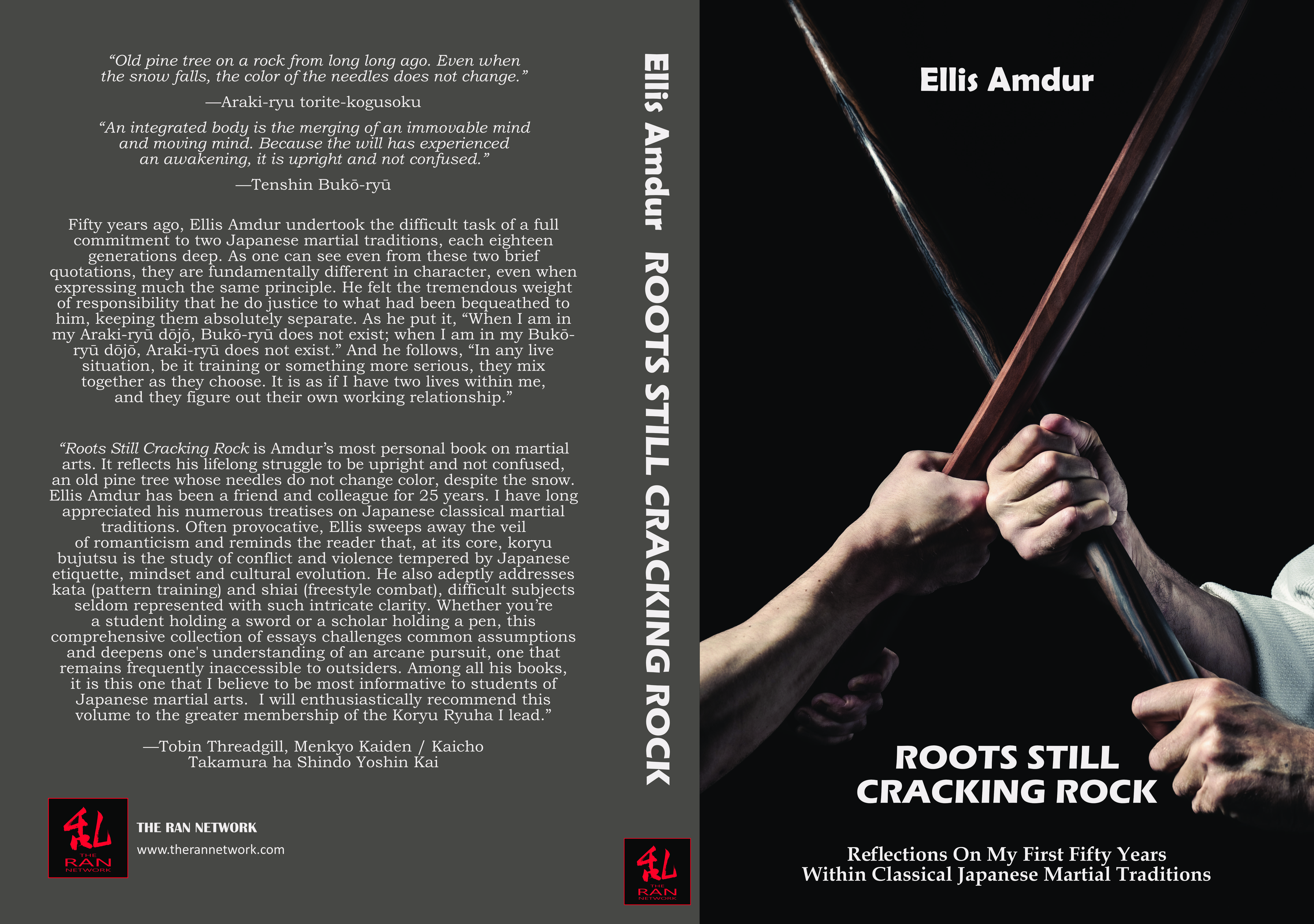
This essay is one of many that has been revised to make the writing itself more graceful, but more importantly, to incorporate my own developing perspective on this subject. It is now part of my new book, Roots Still Cracking Rock: Refections On My First Fifty Years Within Classical Japanese Martial Traditions, which in addition to revised essays from this site, contains new work as well.

Leave a Reply
You must be logged in to post a comment.