Up until modern times, embu (public presentations of a martial art) were either honno embu (offerings to the deities of a shrine) or presentations to a figure of authority. The techniques of a martial ryu (tradition) were considered so essential to survival that one avoided showing one’s techniques to outsiders much as one hides nuclear technology today. For this reason, in the Edo period, warriors would flock to any duel or street confrontation – not only for the entertainment value, but to pick up some of the essentials of combat possessed by the combatants, just in case one had to fight someone from that martial tradition at a later time.
Group demonstrations, including members of a variety of ryu, such as that at Meiji Shrine or the Nippon Budokan in Japan, or the Aiki Expo in America, are modern phenomena, denoting that martial arts are now, in a fundamental way, heirlooms, rather than agents of power. Although it rather tarnishes many fantasized images, practice of many, if not most traditional martial arts in modern times, if not specifically for the purpose of survival against enemies, should more accurately be considered a hobby.
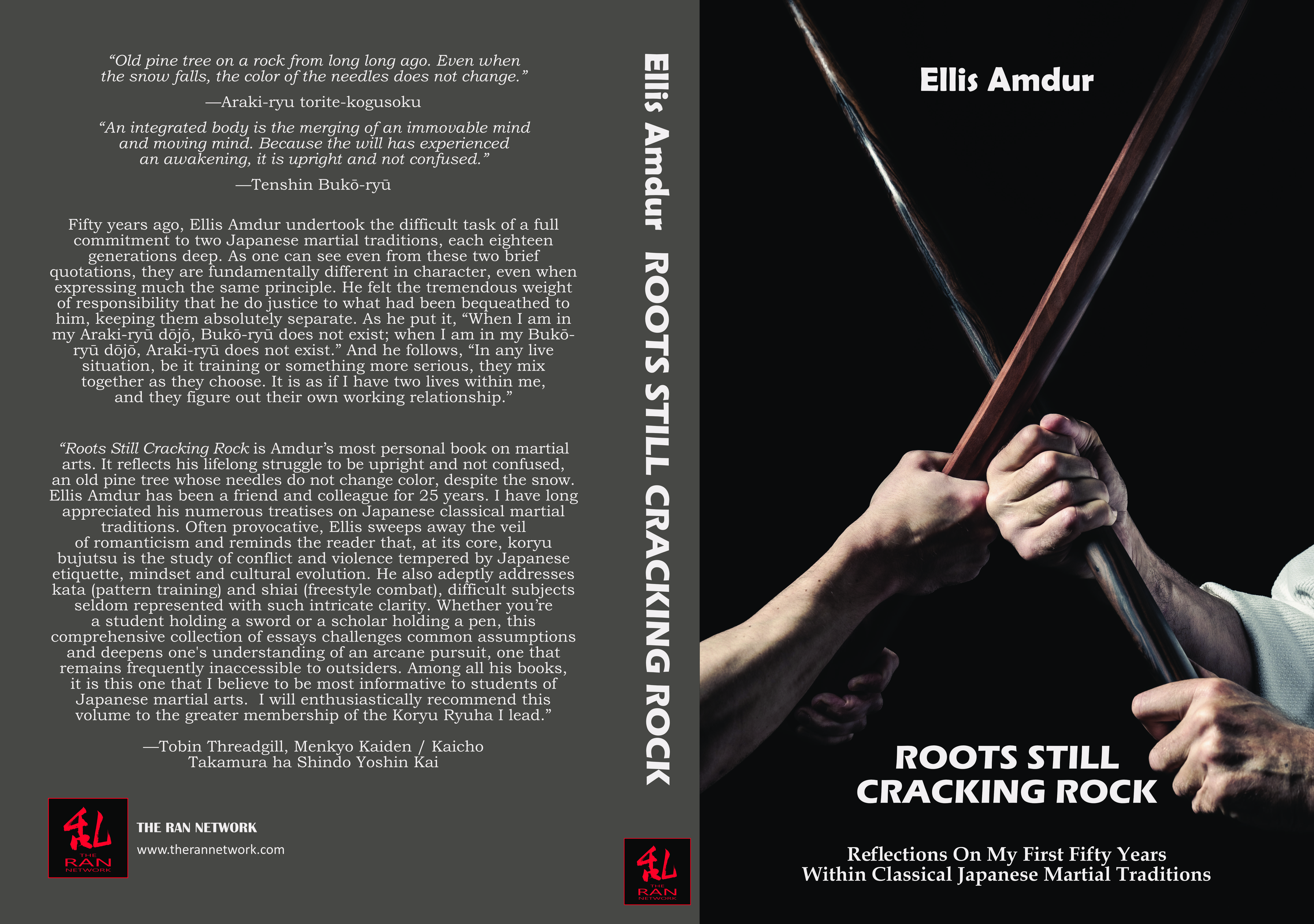
This essay is one of many that has been revised to make the writing itself more graceful, but more importantly, to incorporate my own developing perspective on this subject. It is now part of my new book, Roots Still Cracking Rock: Refections On My First Fifty Years Within Classical Japanese Martial Traditions, which in addition to revised essays from this site, contains new work as well.
Leave a Reply
You must be logged in to post a comment.