
Partly because of my just released novel, Little Bird and the Tiger, which, among other themes, explores the tension between tradition and modernity in the Meiji period, the thought of Amur (Siberian) tigers come to mind. They are the largest big cats – growing up to 400 kilos. As you surely know, they live in the far north, surviving comfortably in weather under -50 degrees centigrade.They hunt and kill brown bears (!) When they attack, they simultaneously bite and also clamp down with their spread armed fore-paws, both teeth and claws penetrating the body of their prey as if it is one giant set of jaws. Such an attack has the spread of the bite of a tyrannosaur. They are rare, they are marvelous, and may soon go extinct.
Classical martial traditions are such an Amur tiger. Within each such art, there are developments and changes from generation to generation, including reworking of some kata, or studying a principle in greater depth. Some may even develop new forms, new training methodologies, or even new fields of study to be congruent with changes within society. When this is properly done, however, it is for the purpose of enhancing their essential “Amur tiger nature.” There is knowledge within each traditional martial art that only exists because it is still traditional. To be sure, some of the information held within a specific martial tradition can be relevant beyond the precincts of the school itself, and in terms of their role in society, this may be among the most important reason that they should continue to exist. This includes some of the world’s most sophisticated psychological understanding of what it means to be in direct confrontation with an armed individual who intends your death.
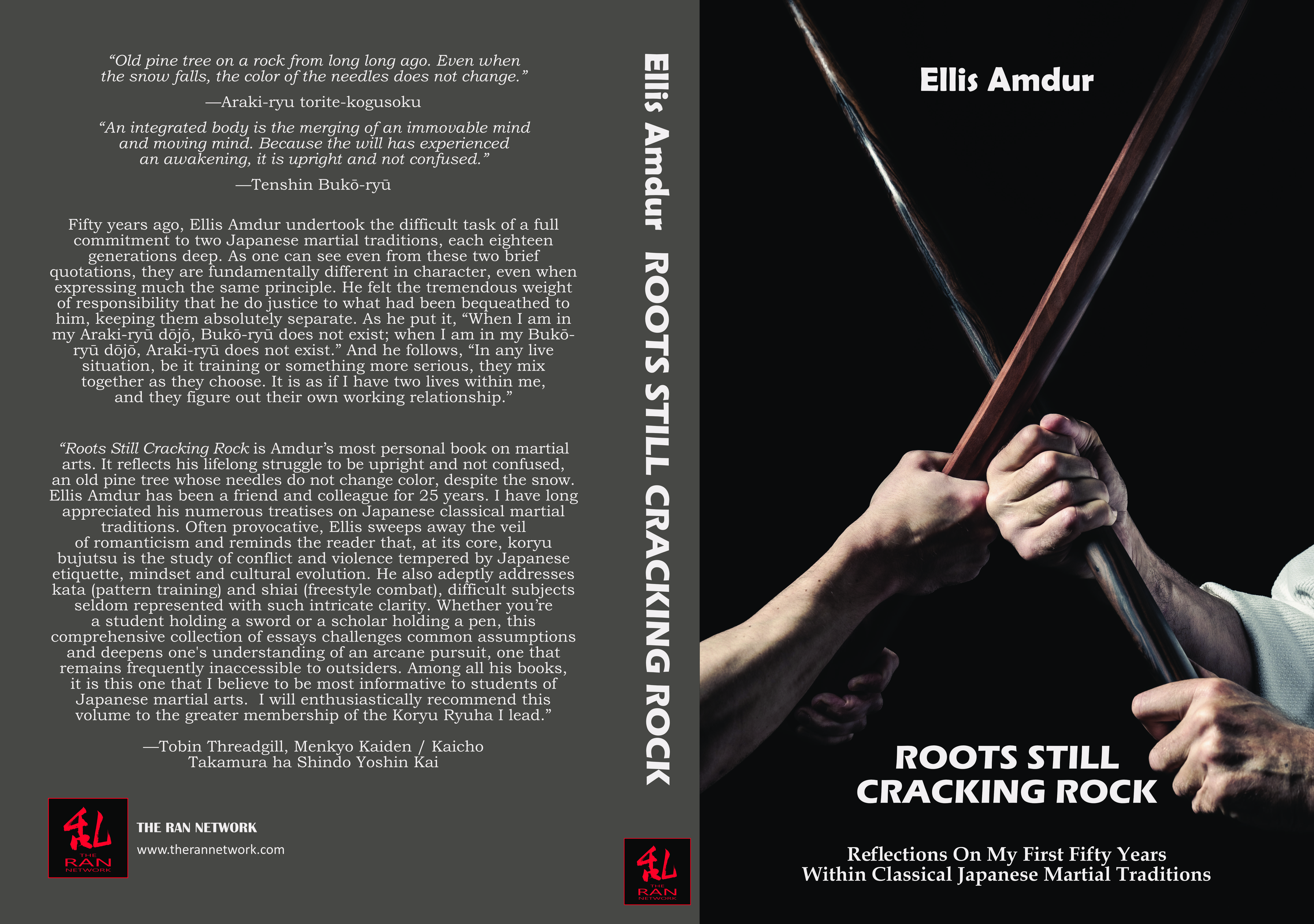
This essay is one of many that has been revised to make the writing itself more graceful, but more importantly, to incorporate my own developing perspective on this subject. It is now part of my new book, Roots Still Cracking Rock: Refections On My First Fifty Years Within Classical Japanese Martial Traditions, which in addition to revised essays from this site, contains new work as well.

Leave a Reply
You must be logged in to post a comment.